What Are ICE Requests and How Do They Work in 2026?
Learn what ICE requests mean and how they affect you in 2026. Get clear answers and expert help from Vasquez Law. Contact us for a free consultation.
Vasquez Law Firm
Published on April 10, 2026
Have questions? Talk to an attorney — free evaluation.
Call 1-844-967-3536What Are ICE Requests and How Do They Work in 2026?
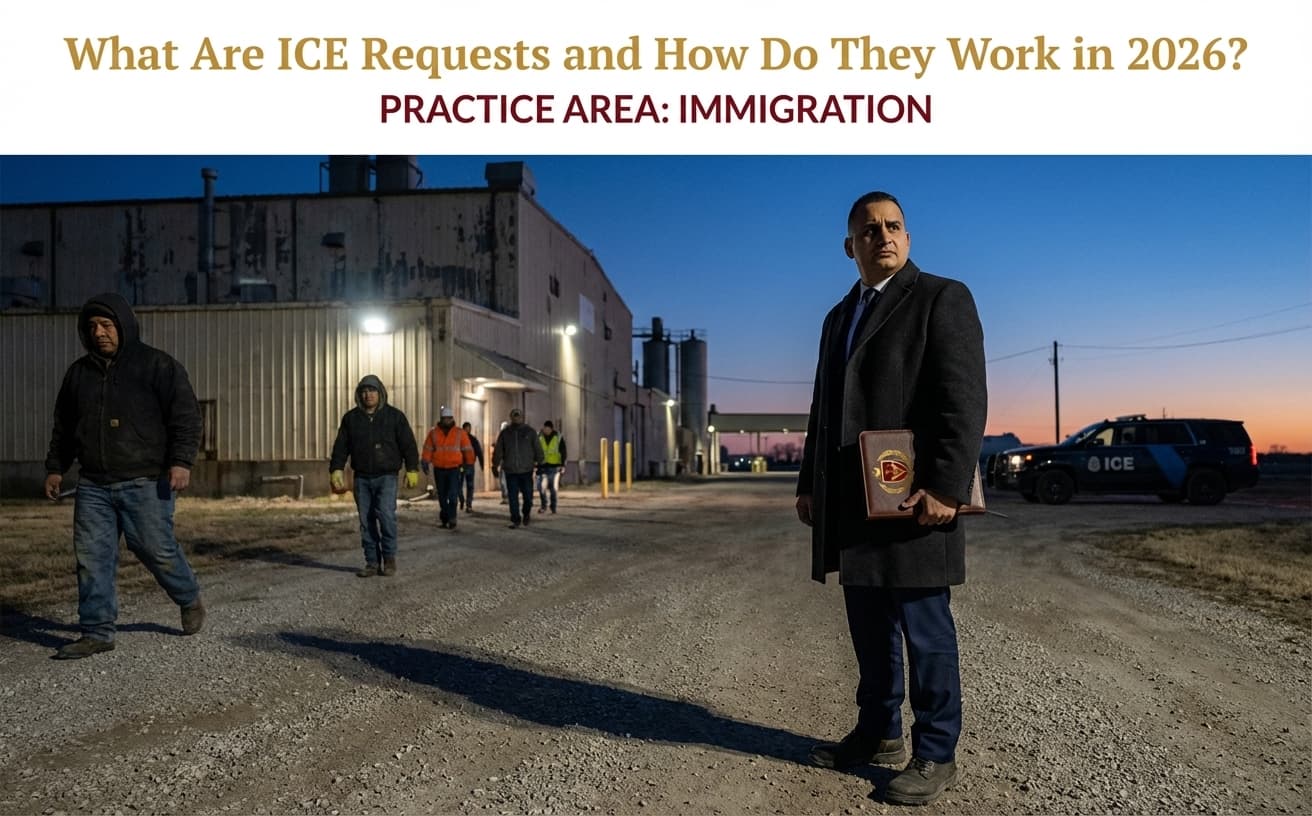
ICE requests play a critical role in immigration enforcement, especially in places like Smithfield, North Carolina, and Florida. In 2026, understanding how ICE requests work can protect your rights and help you respond properly. This article explains what ICE requests are, how to identify them, and how to react if ICE agents contact or visit you. Whether you're concerned about an ICE tip form, ICE reports, or immigration detainers, this guide covers the key steps to take and common mistakes to avoid. Learn how Vasquez Law Firm can assist Dreamers and immigrants navigating ICE requests with bilingual support and experienced representation.
Need help with your case? Our experienced attorneys are ready to fight for you. Se Habla Español.
Worried About Immigration Policy Changes?
New policies can affect your case. Get current legal advice from an experienced immigration attorney.
Or call us now: 1-844-967-3536
Quick Answer
ICE requests are formal communications from Immigration and Customs Enforcement asking local agencies to share information or detain individuals for immigration purposes. They often lead to investigations, detentions, or deportation actions.
- ICE request can be an ICE tip form or report
- They typically involve local law enforcement agencies
- The process includes identification and sometimes detainment
- Individuals have rights during ICE encounters
- Consulting an immigration lawyer is crucial when contacted
Understanding ICE Requests
Imagine this: a local police department in Smithfield receives a formal ICE request. This could be to hold someone in jail beyond release or to provide information about a person's immigration status. These requests are part of how ICE enforces immigration laws in the U.S., particularly in North Carolina and Florida.
ICE requests come in several forms. One common type is the "ICE tip form," which allows anyone to report suspected immigration violations anonymously through www.ice.gov/tips or by calling 1-866-DHS-2-ICE. These tips may prompt ICE agents to initiate an investigation or issue detainers to local law enforcement.
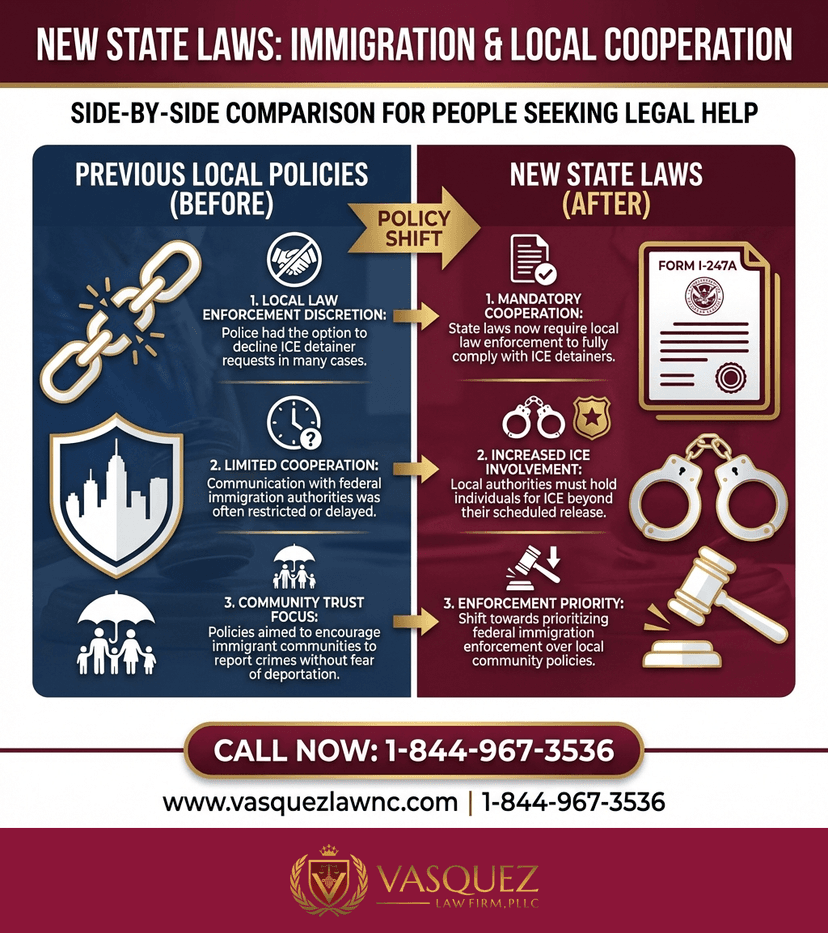
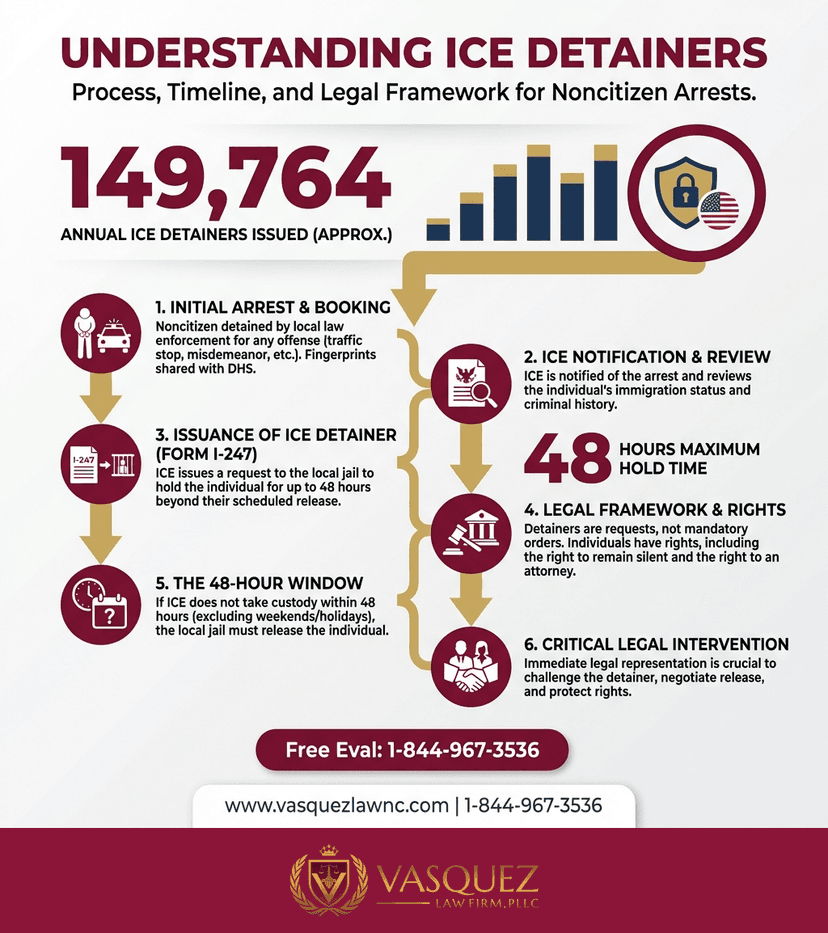
ICE detainers are requests made to local police or sheriffs to hold someone for ICE custody, typically for up to 48 hours after release. However, these detainers are not mandatory and have legal limitations under federal and state laws.
Knowing how to identify an ICE request and understanding its implications is vital for protecting yourself and your family. An ICE request may include agents arriving at your home or place of work, or contact via phone calls.
Our immigration services in Smithfield and Florida help clients respond effectively, safeguarding their rights and providing peace of mind.
What Agents Are Asking For
ICE agents might ask for your identification, immigration status, or information about others. They may ask to enter your home or workplace. However, ICE does not have unrestricted authority to enter private property without a warrant.
Legal Framework
The authority for ICE requests and detainers comes from 8 U.S.C. § 1357, which outlines the powers of immigration officers during investigations and enforcement. Also, 8 U.S.C. § 1373 protects the communication between agencies about immigration status.
Why Understanding ICE Requests Matters
Many people do not realize that responding to ICE inquiries incorrectly may put them at risk of detention or deportation. Ignorance of your rights or failure to take timely action may have lasting legal consequences.
Step-by-Step: How to Respond to ICE Requests
- Stay Calm and Polite: Interact with ICE agents respectfully and don’t resist or argue aggressively.
- Ask for Identification: Confirm the agents’ identity by requesting official badges or warrants.
- Know Your Rights: You have the right to remain silent and the right to an attorney before answering questions.
- Avoid Volunteering Information: Do not provide documents or statements without consulting a lawyer.
- Contact an Immigration Lawyer: Call a trusted attorney immediately for guidance.
- Document Details: Take notes about names, badge numbers, times, and actions for your records.
Our Attorney Vasquez and team have over 15 years of experience advising clients facing ICE requests in North Carolina and Florida.
Documents and Evidence Checklist
- Any identification documents (passport, visa, green card, if applicable)
- Notice of ICE detainer or custody requests from local jail
- Immigration paperwork such as I-94, work permits, or application receipts
- Proof of residence or employment
- Any correspondence received from ICE or law enforcement
- Contact information of your immigration lawyer or representative
Timeline: What to Expect After an ICE Request
- Within Hours to Days: ICE may visit your home or workplace following a tip or request.
- Within 48 Hours: If detained, local authorities may hold you based on an ICE detainer.
- Within Weeks: Immigration court proceedings may begin if ICE files notices.
- During Proceedings: Hearings and appeals will determine your immigration status or removal.
Early legal intervention can impact this timeline significantly for better results.
Common Mistakes and How to Avoid Them
- Volunteering Information Without Counsel: Avoid answering ICE questions without a lawyer present. Fix: Always request legal representation before speaking.
- Failing to Verify Agents: Not checking ICE agents’ credentials may expose you to fraud. Fix: Ask to see badges and warrants.
- Ignoring Detainers: Some think ignoring detainers avoids issues but it can complicate your case. Fix: Consult an attorney promptly.
- Not Documenting Interactions: Lack of record harms defense. Fix: Write down names, dates, and details immediately.
- Delaying Legal Help: Waiting too long reduces options. Fix: Contact a qualified immigration attorney as soon as you suspect ICE involvement.
- Sharing Sensitive Info Online: Posting about ICE contact publicly can be risky. Fix: Keep details private and consult counsel before sharing.
- Assuming Rights Are the Same in All States: ICE enforcement differs between NC and FL. Fix: Get local legal advice specific to your state.
If you only remember one thing: Never face ICE agents without legal support.
NC and FL Specific Notes on ICE Requests
North Carolina Notes
North Carolina local agencies often cooperate with ICE, but some counties have limited engagement policies. Understanding which local law enforcement might honor ICE requests helps you prepare. Our lawyers in North Carolina provide tailored advice for residents facing ICE requests.
Florida Notes
Florida has a history of close cooperation with ICE agents. Many Florida counties honor ICE detainers by holding individuals for ICE custody. Knowing Florida-specific ICE procedures can make a difference in how to respond and protect your rights.
Nationwide Concepts (General Only, Rules Vary)
ICE operates throughout the United States but faces legal limits. The Supreme Court and federal laws restrict ICE’s power to detain without warrants or probable cause. Policies may vary based on local laws, and enforcement actions must comply with constitutional protections.
When to Call a Lawyer Now
- If ICE or any law enforcement asks to enter your home or workplace
- If you receive an ICE detainer at jail or prison
- If you are questioned by ICE agents about yourself or family members
- If you receive a letter or notice from ICE related to your immigration status
- If someone calls ICE on you or your family
- If you see ICE agents in your neighborhood or community
- If you are detained or arrested with an immigration status issue
- If you want to report illegal activity but need advice on how to do so safely
About Vasquez Law Firm
At Vasquez Law Firm, we combine compassion with aggressive representation. Our motto "Yo Peleo" (I Fight) reflects our commitment to standing up for your rights.
- Bilingual Support: Se Habla Español - our team is fully bilingual
- Service Areas: North Carolina, Florida, and nationwide immigration services
- Experience: Over 30 years helping clients navigate complex legal matters
- Results: Thousands of successful cases across multiple practice areas
Attorney Trust and Experience
Attorney Vasquez holds a Juris Doctor degree and is admitted to practice in both the North Carolina State Bar and Florida Bar. With over 15 years of dedicated legal experience, he has built a reputation for providing personalized attention and defending immigrant rights effectively.
Don't face your legal challenges alone. Our team is here to help you every step of the way.
Call today: 1-844-967-3536 | Se Habla Español
Frequently Asked Questions
What is an ICE request?
An ICE request usually involves Immigration and Customs Enforcement agents asking local police or other agencies to detain or provide information about an individual. These requests can lead to detentions or deportation proceedings. Understanding what an ICE request means helps you know your rights and how to respond effectively.
Can ICE legally ask for my ID?
ICE agents can ask for your identification during an encounter, but you are not required to carry ID under federal law if you are not driving. Your response and rights depend on the context. It's important to speak with a qualified immigration attorney to understand how to protect yourself legally.
What happens if I call immigration on someone?
Reporting someone to ICE can lead to an investigation or detainer request for that person. However, false reports can have legal consequences. If unsure, seek legal advice before contacting immigration authorities to avoid unintentional harm or violations of privacy laws.
How can I contact ICE for general questions?
You can contact ICE through their public phone number, 1-866-DHS-2-ICE, or submit tips and reports via their website at www.ice.gov/tips. Always exercise caution when interacting with ICE to protect your rights and privacy.
What's Your Immigration Situation?
Answer 3 questions — we'll tell you your options
Question 1 / 3
What best describes your situation?
Keep Reading
Can I sue ICE for detaining me as a citizen?
If ICE mistakenly detains a U.S. citizen, you may have legal grounds to sue for wrongful detention. However, these cases are complex and require strong evidence and expert legal representation. Consulting an attorney immediately is essential.
What are ICE agents usually asking for?
ICE agents often ask for your identity, immigration status, or information about others. They may request documents or interviews. Knowing your rights and when to remain silent can protect you during these interactions.
What is an ICE tip form?
An ICE tip form allows anyone to report suspected immigration violations to ICE confidentially. These tips may trigger investigations or actions by immigration enforcement. It is important to use this tool responsibly and understand its potential impact.
How long does the ICE request process take?
The process can vary widely but often includes investigation, detainer issuance, and potential detention. It may take days to weeks. Consulting an attorney early can help you understand and prepare for timelines specific to your case.
Sources and References
- U.S. Citizenship and Immigration Services (USCIS)
- Executive Office for Immigration Review
- Legal Information Institute
Ready to take the next step? Contact Vasquez Law Firm today for a free, confidential consultation. We're committed to fighting for your rights and achieving the best possible outcome for your case.
Start Your Free Evaluation Now
Call us: 1-844-967-3536
Se Habla Español - Estamos aquí para ayudarle.
Vasquez Law Firm
Legal Team
Our experienced attorneys at Vasquez Law Firm have been serving clients in North Carolina and Florida since 2011, with 70+ years of combined attorney experience. We specialize in immigration, personal injury, criminal defense, workers compensation, and family law.
Related Legal Services
Need legal help? Learn more about our immigration law practice, or contact us for a free evaluation.
You can also visit our North Carolina immigration practice for more information.