Understanding Domestic Violence and Child Custody in Charlotte
The tragic case of a Charlotte mother killed by a man with a history of domestic violence highlights critical legal issues. This blog explores the implications for victims in custody and divorce proceedings, offering essential insights and advice.
Vasquez Law Firm
Published on December 15, 2025· Updated March 3, 2026
Have questions? Talk to an attorney — free evaluation.
Call 1-844-967-3536Understanding Domestic Violence and Child Custody in Charlotte
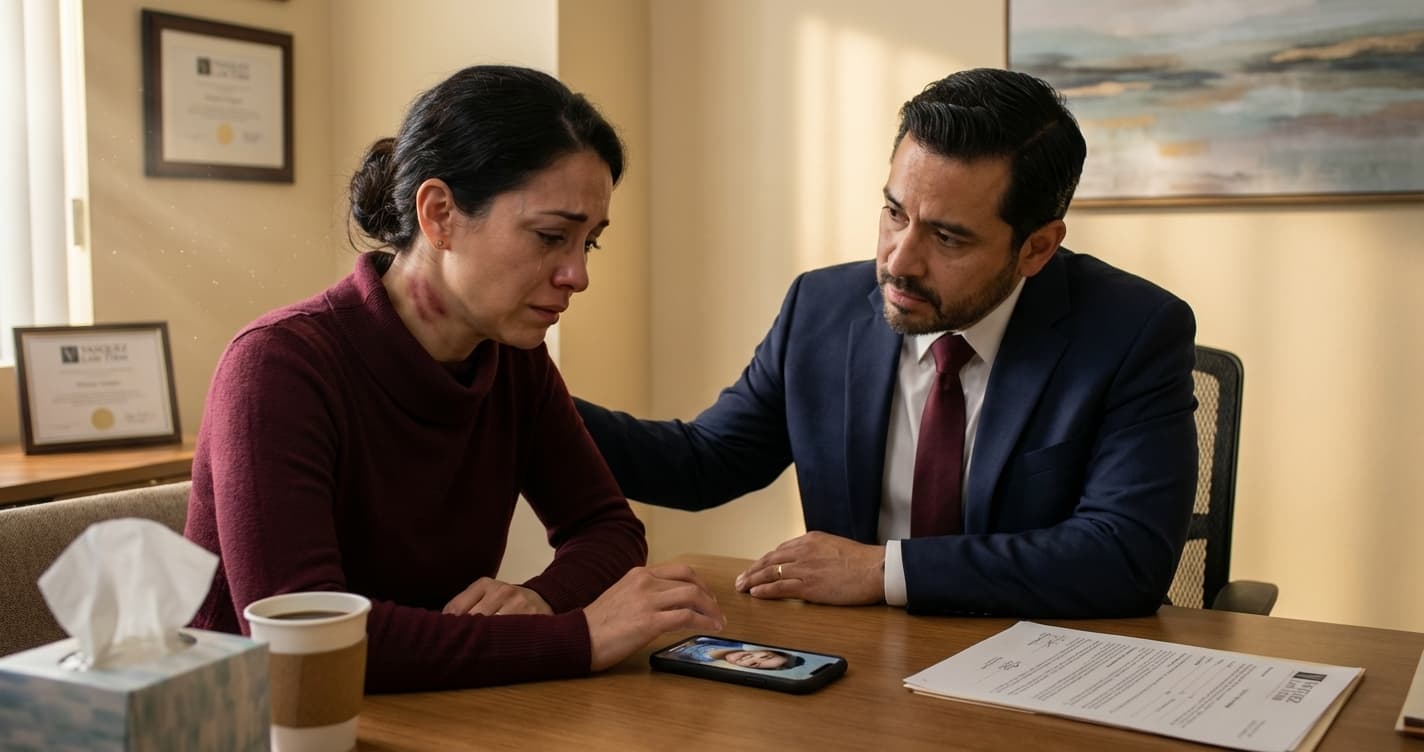
The recent news of a man accused of killing a Charlotte mother with a history of domestic violence is both harrowing and a stark reminder of the implications that domestic violence has on families, especially in child custody disputes. At Vasquez Law Firm, we understand the pain and uncertainty that victims of domestic violence face, and how it intersects with family law issues such as divorce, child custody, and child support.
Overview of the Legal Issue
Domestic violence is a serious concern that affects many families, and its ramifications extend beyond the immediate victim. In North Carolina, domestic violence can significantly influence divorce proceedings and child custody decisions. When an individual has a history of domestic violence, it can be a determining factor in custody arrangements, visitation rights, and even spousal support. This case highlights the critical need for legal support for those involved in domestic relations.
Family law issue in NC?
Divorce, custody, and DV cases need fast strategy. 15-min call — confidential — to walk through your situation.
Client Rights and Options
Victims of domestic violence have specific rights in North Carolina. It’s crucial to understand these rights to navigate the legal landscape effectively:
- Protective Orders: Victims can file for a Domestic Violence Protective Order (DVPO) to ensure their safety and that of their children. This order can restrict the abuser from making contact or coming near the victim.
- Child Custody Considerations: In custody hearings, a history of domestic violence can influence the court’s decision on who gets custody. The safety of the child is of utmost importance.
- Support and Resources: Victims have access to various resources, including shelters, counseling, and legal assistance to help navigate their circumstances.
Step-by-Step Process in Domestic Violence Cases
If you are a victim of domestic violence facing issues of divorce or child custody, here’s a step-by-step process to follow:
- Document Everything: Keep detailed records of any incidents of violence, including dates, times, and witnesses.
- Seek Legal Help: Consult with a qualified attorney experienced in family law to discuss your situation and options.
- File for Protective Orders: If necessary, file for a DVPO to protect yourself and your children.
- Prepare for Court: Work with your attorney to gather evidence and prepare for custody hearings.
- Explore Support Services: Look into local resources for victims of domestic violence, including counseling and support groups.
Common Mistakes to Avoid
In the midst of emotional turmoil, it’s easy to make mistakes that could impact your case:
- Failing to Document Incidents: Not keeping a record of abusive incidents can weaken your case.
- Ignoring Legal Help: Attempting to navigate the legal system without professional assistance can lead to unfavorable outcomes.
- Not Prioritizing Child Safety: Always prioritize the safety of your children when considering custody arrangements.
How Vasquez Law Firm Can Help
At Vasquez Law Firm, we are dedicated to providing our clients with the support and legal expertise they need during difficult times. Our experienced attorneys understand the complexities of family law and domestic violence cases in North Carolina. Here’s how we can assist:
- Comprehensive Legal Guidance: We offer tailored legal advice based on your unique situation.
- Strong Representation: Our attorneys will represent your interests vigorously in court, ensuring that your rights and those of your children are protected.
- Bilingual Services: Se Habla Español. We provide services in both English and Spanish to accommodate our diverse clientele.
Frequently Asked Questions
1. What should I do if I am a victim of domestic violence?
If you are a victim of domestic violence, prioritize your safety by seeking immediate help. Contact local authorities, reach out to a domestic violence hotline, and consider obtaining a protective order. It’s also essential to consult with a legal professional to discuss your options.
2. How does domestic violence affect child custody decisions?
In North Carolina, a history of domestic violence can significantly impact child custody arrangements. Courts prioritize the safety and well-being of children, and any evidence of domestic violence will be taken seriously during custody hearings.
3. Can I get alimony if my spouse has a history of domestic violence?
Yes, a history of domestic violence can influence alimony decisions. If you have been a victim of domestic violence, it may be considered when determining your entitlement to alimony and the amount awarded.
Contact Us for a Free Consultation
If you or someone you know is facing issues related to domestic violence, divorce, or child custody, don’t hesitate to reach out. The Vasquez Law Firm is here to provide the support and guidance you need during this challenging time. Contact us today at [phone number] for a free consultation. Se Habla Español.
What Are My Options in Family Court?
Answer 3 questions to understand your rights
Question 1 / 3
What family legal issue are you facing?
Divorce in North Carolina: Understanding Your Legal Rights
Divorce is never easy, but understanding your legal rights and the process can help you navigate this difficult time with greater confidence. North Carolina's divorce laws are designed to ensure fair and equitable outcomes, though the specific facts of your case will determine what "fair" looks like for you.
North Carolina Divorce Basics
North Carolina requires a one-year separation period before granting an absolute divorce. During this period:
Keep Reading
- You and your spouse must live in separate residences
- At least one of you must intend the separation to be permanent
- The separation need not be mutual—one spouse initiating it suffices
- Reconciliation resets the one-year clock
Related divorce matters—property division, alimony, child custody, and child support—are legally separate from the divorce itself and must be pursued separately (or agreed upon in a separation agreement before the divorce is finalized).
Division of Marital Property
North Carolina divides marital property under the equitable distribution standard, which means fair rather than necessarily equal. The court considers:
- Each spouse's income and earning capacity
- Duration of the marriage
- Contributions to the marital estate, including non-financial contributions
- Each spouse's economic circumstances following the divorce
- Custodial parent's need to use or own the family home
Child Custody and Support
North Carolina courts decide child custody based exclusively on the best interests of the child. Judges evaluate the quality of each parent's relationship with the child, each parent's ability to provide stability and meet the child's needs, the child's preferences (given appropriate weight based on maturity), and any history of domestic violence or substance abuse. Child support is calculated using NC's Child Support Guidelines, which consider each parent's income, number of children, and childcare and health insurance costs.
Alimony in North Carolina
Alimony is available to a dependent spouse—one who is substantially dependent on the supporting spouse for maintenance. Courts consider the marital standard of living, each spouse's income and assets, contributions to the marriage (including homemaking and child-rearing), and marital misconduct (which can bar alimony for a dependent spouse who committed adultery). Alimony can be permanent, term-limited, or rehabilitative.
Protecting Your Interests During Divorce
Taking proactive steps to protect yourself during divorce proceedings is critical:
- Consult with a family law attorney before taking any significant action
- Document all marital assets and debts with financial statements and account records
- Avoid major financial decisions during the divorce process without consulting your attorney
- Maintain detailed records of all communications with your spouse about property, children, and finances
- Be cautious about social media activity, which can be used as evidence in custody and property proceedings
Frequently Asked Questions About Divorce in NC
Can I speed up the divorce process in North Carolina?
The one-year separation requirement cannot be waived. However, once the year has passed, an uncontested divorce can proceed relatively quickly—sometimes in as little as 60-90 days after filing, depending on the court's schedule.
What is a Separation Agreement and do I need one?
A Separation Agreement is a legally binding contract between spouses that resolves all or some of the issues arising from the breakdown of the marriage. While not required, a well-drafted Separation Agreement can provide certainty, privacy, and efficiency compared to litigating all issues in court. An attorney can help draft an agreement that fully protects your rights and interests.
Vasquez Law Firm: Divorce and Family Law in North Carolina
Whether your divorce is straightforward or involves complex property, custody, or support disputes, Vasquez Law Firm's family law attorneys are here to guide you through every step. We serve clients throughout North Carolina including Raleigh, Charlotte, Smithfield, and Durham. Se Habla Español. Contact us for a free consultation.
Related Topics
Vasquez Law Firm
Legal Team
Our experienced attorneys at Vasquez Law Firm have been serving clients in North Carolina and Florida since 2011, with 70+ years of combined attorney experience. We specialize in immigration, personal injury, criminal defense, workers compensation, and family law.